Social media age restrictions UK: what the new rules mean for families
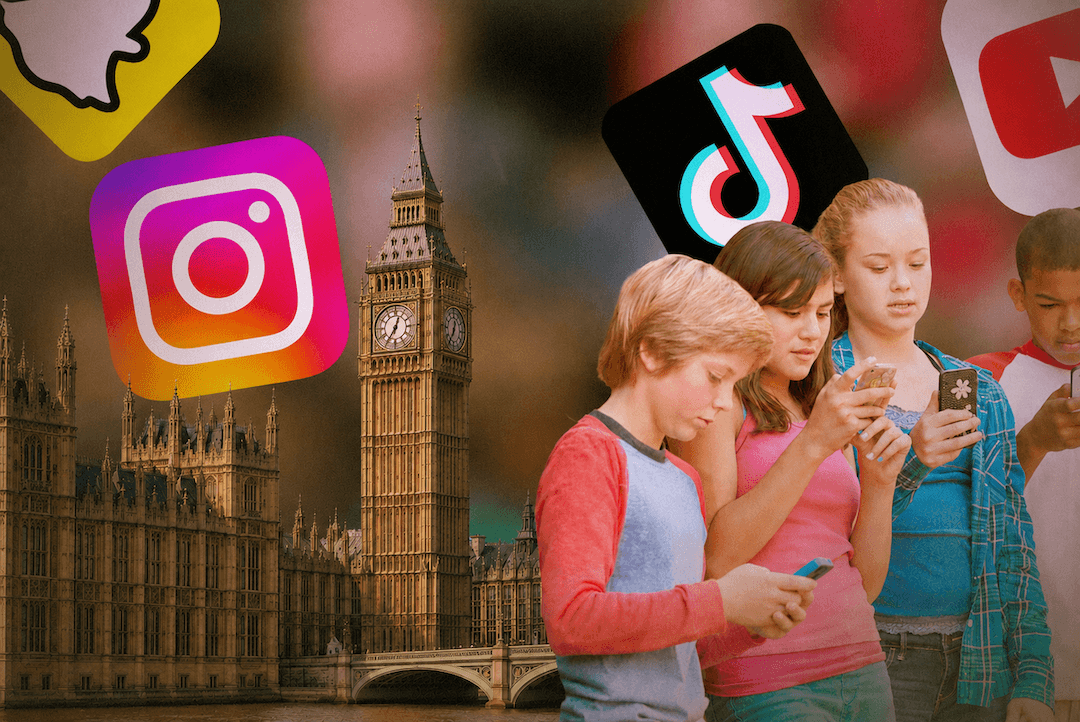
Today, the government announced plans to ban social media platforms from offering services to children under 16.
For the hundreds of thousands of families who have campaigned for stronger protections online, this is a landmark moment.
This grassroots movement has turned a growing concern shared at school gates and kitchen tables into a national conversation that could no longer be ignored.
The government says these measures are designed to “give children their childhood back” and are expected to become some of the strongest protections for children online anywhere in the world.
If you’ve arrived here after hearing the news, you’re probably asking a much simpler question:
What does this actually mean for my child?
At a glance
- Minimum age: 16
- Platforms affected: Snapchat, TikTok, YouTube, Instagram, Facebook and X
- Expected start date: Spring 2027
- Regulator: Ofcom
- Existing accounts: Not yet confirmed
Many people are referring to these changes as a “social media ban”. Technically, they are age restrictions that will prevent under-16s from holding accounts on certain social media platforms.
What are the new social media age restrictions?
The government has announced plans to ban social media platforms from offering services to children under 16.
Using a model similar to Australia’s, the restrictions are expected to apply to user-to-user social media services that allow people to post content, interact with one another and are driven by algorithmic feeds.
The government says the new rules will be brought before Parliament before Christmas and are expected to come into force in Spring 2027.
Platforms will be required to use robust age assurance measures to prevent under-16s accessing their services, while enforcement will be overseen by Ofcom.
The government has also announced wider protections for children online, including restrictions on livestreaming and stranger communication for under-16s, as well as new safeguards around AI companion chatbots.
Which social media platforms are affected?
The government has specifically named:
- Snapchat
- TikTok
- YouTube
- X
The government says it is still working through the final definition of which services will be covered and has indicated there will be exemptions for things such as educational services, music streaming and e-commerce platforms.
Messaging services such as WhatsApp and Signal are not expected to be included.
We’ll update this guide as further details emerge.
What happens to existing accounts?
This is one of the biggest questions parents are asking.
At this stage, the government has not confirmed what will happen to social media accounts already held by under-16s.
Further details are expected when the government’s full response to the consultation is published in July.
We’ll update this page as soon as more information becomes available.
Does this mean children can’t use the internet?
No.
These new restrictions apply to specific social media platforms. They do not prevent children from accessing the internet more broadly.
Many online services used by children may sit outside the scope of these rules, including messaging apps, gaming platforms and video-sharing services.
However, the government has also announced wider protections that go beyond social media, including restrictions on livestreaming and stranger communication with children across a broader range of online services.
We’ll be publishing more guidance on exactly what is – and isn’t – covered.
What should parents do now?
The new restrictions are an important step forward. But they won’t take effect until Spring 2027, and much of the detail around implementation is still to be worked through.
In the meantime, parents will continue to face many of the same challenges they’ve been navigating for years.
Even when the new rules come into force, parents will still need to think about issues such as:
- Exposure to pornography
- Cyberbullying
- Stranger contact
- Harmful online communities
- Excessive screen time
- Risks through messaging apps, gaming and video platforms
- Gaps in how platforms implement the new protections
That’s why many families see these new protections as a starting point, not an end point. The new rules will only be as effective as the way they’re implemented and enforced, and we’ll be closely following how platforms respond in the months ahead.
If your child was expecting to get social media soon, this announcement may make conversations easier. Parents no longer have to feel they are setting a boundary on their own. The new rules create a clear social expectation that these platforms are not designed for children under 16.
Many parents are also asking a wider question:
If social media isn’t appropriate until 16, is a smartphone the right choice before then?
For many families, the answer is to delay both. Not because they want to hold their children back, but because they want to give them more time to grow up before they are exposed to the pressures, risks and addictive design of the online world.
The good news is that more and more parents are making these decisions together. Across the UK, families are joining forces to delay smartphones and social media, reducing pressure on children and making it easier for everyone.
You’re not alone
Smartphone Free Childhood brings together hundreds of thousands of parents who are navigating these questions together.
Whether you’re looking for practical advice, support from other families, or simply reassurance that you’re not the only one finding this difficult, we’d love to welcome you.
Next steps
- Sign the Parent Pact to delay smartphones until 14 and hold the line on social media until 16
- Find your local WhatsApp community
- Get practical guidance on delaying smartphones
- Explore our child-friendly phones guide