Social media age restrictions UK: what the new rules mean for schools

[.style-intro]Schools have spent years managing the fallout from platforms designed to capture children's attention, and teachers see the effects in their classrooms every single day.[.style-intro]
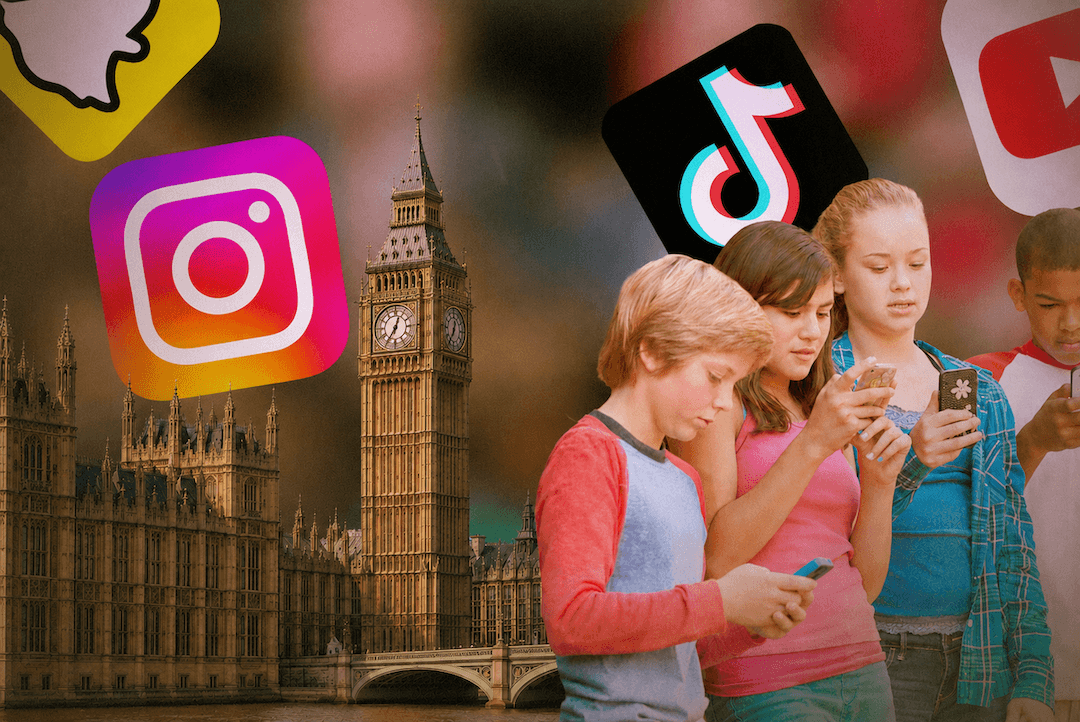
Now a change school leaders and teachers have long argued for is here: the UK government has announced it will ban social media platforms from offering services to children under the age of 16.
We set out what the changes mean for schools, from the questions parents will ask to the opportunities for your students and your community in the months ahead.
How do we answer parents’ questions?
Parents look to school as one of the most trusted sources of information in their community, and they will have immediate questions.
Not all of the answers exist yet. Although the announcement sets the direction, some key details will be confirmed in the weeks ahead, and it is fine to say that to parents.
What schools need to know at a glance
- Age limit: 16
- Platforms affected: The government has named Snapchat, TikTok, Instagram, Facebook, X and YouTube.
- A full list of affected platforms hasn't been confirmed yet. Group messaging apps like WhatsApp are not included.
- Livestreaming and contact from strangers will be restricted across a wider range of online services, including gaming sites. There will also be restrictions for AI Chatbots.
- Enforcement: This legislation sets a new legal standard that puts the responsibility on platforms, not parents, to enforce it.
- Start date: Early 2027
- Regulator: Ofcom
- Existing accounts: Not yet confirmed
The government will announce further details on the policy in July.
To support you in navigating the changes with your school community, we've created a parent guide covering the most commonly asked practical questions, including what to say when details aren't yet confirmed.
[.style-link] View parent guide to the announcement and FAQs [.style-link]
This could be linked to in your next school bulletin with the following message:
You may have seen that the UK government has announced new social media age restrictions for children under 16. As you know, [School] places student safety and wellbeing above all else, and like many schools we have been increasingly concerned about the effects of social media on young people. We welcome this change, but we know parents and students will have questions. Smartphone Free Childhood has published a clear guide for parents explaining what the changes mean for your child. As always, we are committed to working in partnership with our whole school community, and we look forward to doing so as we navigate these changes, and the positive opportunities they bring for young people.
What does this mean for safeguarding?
When the new restrictions arrive, they will sit alongside, rather than replace, schools' existing online safety and safeguarding duties under the statutory frameworks in each UK nation.
The new age restrictions are a significant step forward, but they are not a complete solution, and it is important to recognise their limits.
Some young people will find ways around the restrictions, such as VPNs, older siblings' accounts, or false age details. The restrictions will reduce exposure for many, but they are unlikely to eliminate it entirely.
Group messaging services such as WhatsApp, and gaming platforms are not covered by the current proposals, and these remain significant channels for cyberbullying, image sharing and peer pressure. Schools should continue to treat these with the same vigilance as before.
For all of these reasons, schools' existing online safety and safeguarding responsibilities remain fully in place. If anything, the period of adjustment may bring new pressures as young people's online activity shifts and settles.
Once restrictions are implemented, some students may look to migrate their social activity to other channels, and school-provided platforms (such as Google Classroom and Microsoft Teams) could be an obvious destination.
Undertaking a proactive review of chat permissions, monitoring and filtering settings, and acceptable use policies ahead of restrictions taking effect, will give you the confidence that your school platforms are set up safely.
How can we support students through the change?
The pressure to comply will sit with the platforms, not with children, parents or teachers, and schools' role is unchanged: to keep young people safe and to keep talking with them openly.
Teachers and school leaders will often become aware of underage accounts before anyone else. It is worth discussing how you will approach this, so that it is treated as a conversation with the student rather than a disciplinary matter, which keeps children talking openly about their online lives.
There will be mixed reactions and a period of adjustment. Some students might feel real worry and a sense of something being taken away. These feelings shouldn’t be simply dismissed. Habits built around constant online connection take time to rewire, and schools can frame this as a normal, temporary adjustment that will lead to greater benefits.
There is an empowering message here for young people. Their time is the most valuable thing they have, and how they spend it will shape the people they become.
Assemblies and tutor time are natural places to open these conversations, and to deliver that message. To support you, we've created a ready-to-use assembly for secondary school students on the new changes.
[.style-link] View the assembly resource[.style-link]
What could we offer students instead?
Cultivating environments where young people build real relationships is what schools have always done best, and the social media restrictions will only increase the need for real life connection and belonging.
Friendships made at lunchtime, relationships between teachers and students, clubs, teams, arts and music. None of this is new work; it is what schools already offer every day.
What may change is the appetite for it, and activities that once struggled for numbers may start to fill.
Schools don't need to programme every minute of students' social time in the school day.
But some quick, low-cost, low-structure options could help meet an increased desire for real life connection: open library sessions, board games at lunch, sports hall access, somewhere warm to simply be with friends.
These give students a starting point for activities and interests they can develop beyond school, now that their time is not tied to social media.
And the best ideas may not come from staff. Asking students what they would do with the time, and supporting them to run their own clubs and activities, gives them ownership of the change.
What does this mean for our school's smartphone policy?
A growing number of schools across the UK have already become smartphone-free environments. This announcement gives further legitimacy to those decisions and fresh impetus for more schools to consider them.
The announcement itself is a conversation-starter for policy change: the government has decided social media is not for under 16s, so let's decide together what that means for smartphones in our school.
With the norm shifting and more parents on board than ever, the strongest and most transformative option is a 'no smartphones on site' policy. Schools can bring this in across all year groups at once, or roll it out year by year from Year 7.
Primary schools have a vital part to play too, reinforcing the delay norm early so fewer children arrive at secondary school with a smartphone already in hand.
No single lever changes everything alone, and a strong smartphone policy is one of the most powerful pieces a school can put in place.
The SFC Schools Network has all the tools, resources and support you need to make it happen.