Films & books to get kids on board with delaying smartphones
One of the questions we're asked most is, 'what can I show my kids so they understand why we're delaying smartphones?'
There’s a growing list of great films, books and podcasts that make the case for you, no lecture needed. Below are our favourites, plus some handy conversation starters for afterwards.
How to use it
Watch or read together, then talk. A few tips:
Let the story do the work. No need to pause and point out the message. They'll get it.
Pick one or two questions, not all of them. Then mostly listen.
It's fine if they disagree. You're starting a conversation, not winning an argument.
Come back to it later. The best chats often happen in the car or at bedtime, days afterwards.
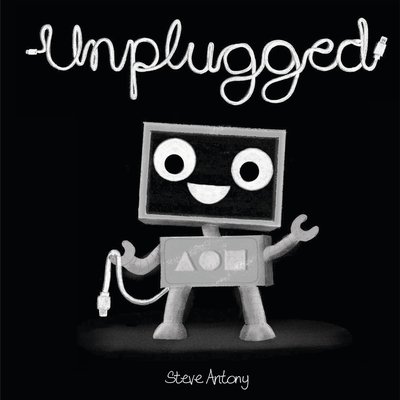
Unplugged by Steve Antony
In this picture book from award-winning author-illustrator Steve Antony, Blip spends all day plugged into her computer, until a power cut sends her tumbling outside. The grey pages burst into colour as she discovers how much fun life offline can be. Simple enough for toddlers, but teachers say the message works for older primary children too.

Talk about it
What did Blip find when she went outside?
Why do you think the pictures changed colour?
If the power went off at our house, what would you do first?

Toy Story 5
When Bonnie gets a shiny new tablet, the toys watch screen time swallow her playtime, and the change in her is one plenty of parents will recognise. It shows, brilliantly, how a tablet can crowd out play, and why real-world fun is worth fighting for. It's almost as if Pixar read our Movement Playbook.

Talk about it
Why were the toys so worried when the tablet arrived?
What stopped happening once the tablet took over?
What's something you love doing that a screen could never do?
Brains On!: "Why are smartphones so hard to put down?"
The kid co-hosts of this much-loved science podcast 'Brains On!' give up phones and tablets for a whole week, then find out about the brain chemical that keeps us coming back for more. Funny, fascinating and very relatable.

Talk about it
Could you go a week without any screens? What would be hardest?
Why do you think grown-ups find it so hard to put their phones down?
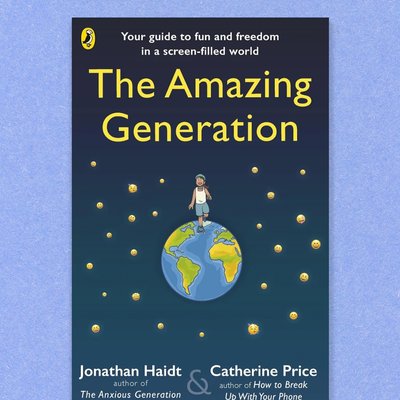
The Amazing Generation by Jonathan Haidt & Catherine Price
Part graphic novel, part rebel's handbook, this excellent book is one tweens will genuinely pick up of their own accord – and stay up late to finish. It helps them recognise the tricks Big Tech uses to hook them, and how to resist.
Tip: the US edition is in full colour, which kids love. Ask your local bookshop to order it in, or find it on AbeBooks, using ISBN 9798217111916.
Talk about it
Which trick used by tech companies surprised you most?
The book calls these kids "rebels". What are they rebelling against?
What would you do with an extra hour every day?

Brainchild: "Social Media"
This fun, fast Netflix science series for kids, produced by Pharrell Williams, opens with an episode on why social media is so hard to put down. Spoiler: it's designed that way. It also digs into the science of selfies and why people can be meaner online than face to face.
Talk about it
Why would a company want to make an app that's hard to put down?
Why do you think people can be meaner online than face to face?
What tricks have you noticed apps or games using to keep you on them?

What Every Kid Needs to Know About Smartphones
Our own 10-minute film, made to watch together with 10 to 13-year-olds, right when the pressure to get a phone peaks. It shows how smartphones are built to grab attention, the hidden superpowers of waiting, and what teenagers themselves really think about life on their phones.
Talk about it
Smartphones only arrived about 20 years ago. What do you think life was like without them? (This is your moment: CDs, landlines, arranging to meet friends and just turning up)
The teenagers in the film say having a phone isn't all it's cracked up to be. Why do you think that is?

Borrowed: "The Teens Are Offline"
In this episode of Brooklyn Public Library’s podcast, meet the Luddite Club: a group of New York teenagers who swapped their smartphones for flip phones and now meet every week to hang out, read and walk in the park. In their own words, they explain why social media wasn’t working for them, what they’ve gained, and how hard it is not to slip back. Honest, funny and very persuasive.
Talk about it
If there was a Luddite Club near us, would you want to join? Why or why not?
They’re proud of their flip phones, even when people stare. Why do you think that is?
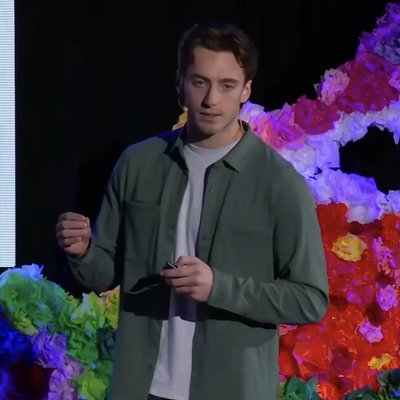
The Battle for Your Time
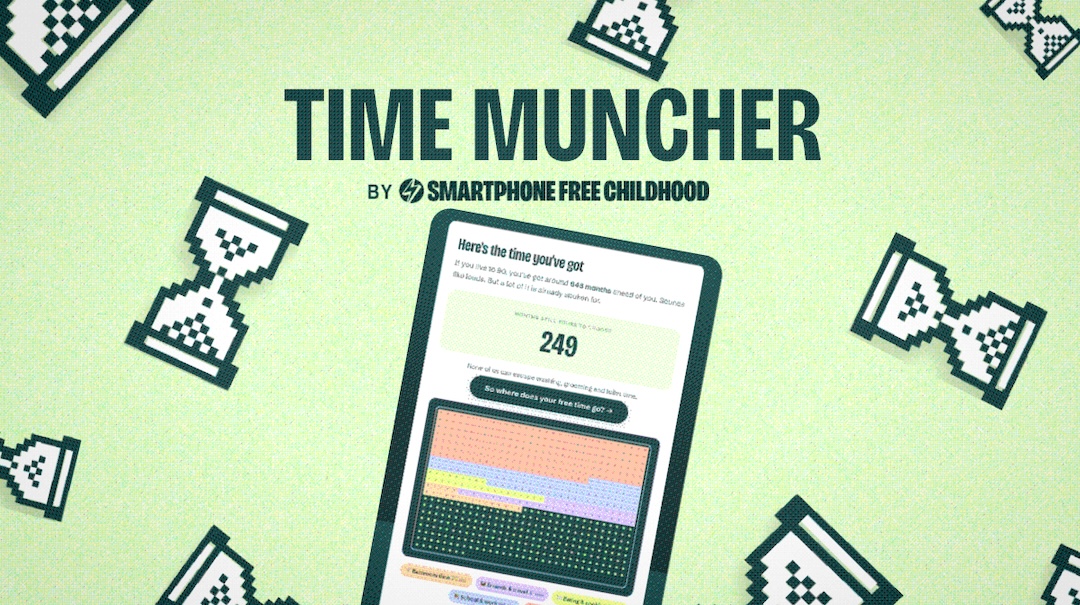
In a TEDx talk watched millions of times, Dino Ambrosi maps out a teenager's life month by month, and shows how much of it is set to vanish into screens. A genuine jaw-dropper, and it lands with teens because it makes refusing big tech feel like rebellion, not a telling-off.
Talk about it
The talk says most young people's free time now goes on screens. Why do you think that is?
He says social media is free because you pay for it with your time. Is that a fair deal?
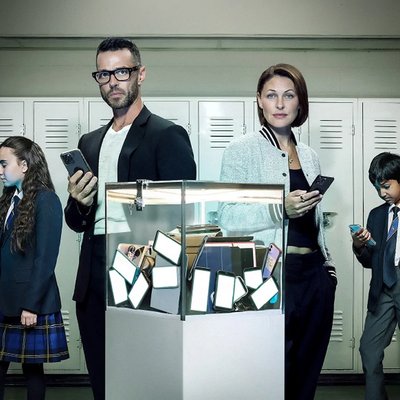
Swiped: The School That Banned Smartphones
In this Channel 4 experiment presented by Emma and Matt Willis, a group of Year 8s in Essex hand over their phones for three weeks. They find they don't feel any less connected to their friends, and discover that they do actually like hanging out with their families.
Includes discussion of online hate, anxiety, porn and suicide, so worth watching it yourself first.
Talk about it
Which of the pupils was most like you?
Why do you think they enjoyed family time more without their phones?

The Social Dilemma
The documentary that woke the world up. Former insiders from Facebook, Google and Twitter reveal how the products they worked on were designed to hook us and shape what we think, all to sell our attention to advertisers. You'll never look at your feed the same way again.
It includes brief footage from the Christchurch attack and references to suicide. Watch it yourself first.
Talk about it
Did anything in it make you angry? Who at?
Which app do you think is best at keeping people hooked, why?
If you designed social media, what would you change?

For older teens
Three hard-hitting watches for teens 15 and up. All deal with difficult themes, so watch them yourself first and decide what's right for your child.

Molly vs the Machines
The true story of Molly Russell, a 14-year-old London schoolgirl who died after social media pulled her into a stream of self-harm content, which a coroner found contributed to her death. Her dad's fight to hold the tech giants to account takes the film from her bedroom all the way to Silicon Valley. Devastating and enraging in equal measure.
Talk about it
What responsibility should companies have for what their algorithms show young people?
If you saw something online that upset you, who would you tell?
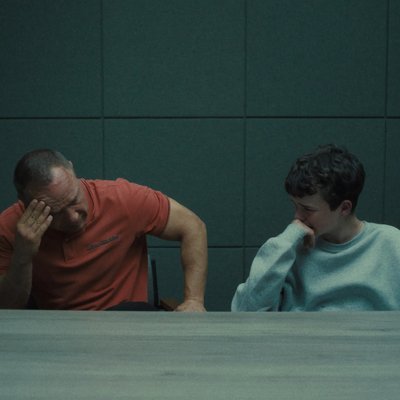
Adolescence
The drama that got the whole country talking about what boys are seeing online. A 13-year-old is arrested for the murder of a girl at his school, and the series slowly reveals how he was drawn into the manosphere, the online world of misogynistic influencers.
Talk about it
Where do you think Jamie's ideas came from?
Have you heard any of these ideas about boys and girls at school or among your friends? How do people react when they come up?
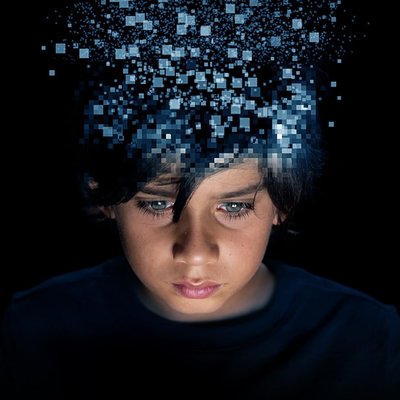
Childhood 2.0
How could childhood change so much, so fast? This documentary compares childhood today with the memories of a woman who grew up in the 1930s, then hears from real families alongside paediatricians, psychologists and a cyber-crimes detective about what children now face online, from cyberbullying and grooming to self-harm. It's been watched over 4 million times.
Talk about it
Which parts felt true to your life, and which felt over the top?
What do you think is better about growing up now than in the 1930s, and what's worse?
Keep the conversation going
A film or a book opens the door. Our guides help you with what comes next, including the inevitable "but everyone else has one".
What's worked in your house?
This is our starter for 10. Tell us the film, show or book that got your kids talking, and the best ones go on the list.
Share your pick: community@smartphonefreechildhood.org